
Loading...

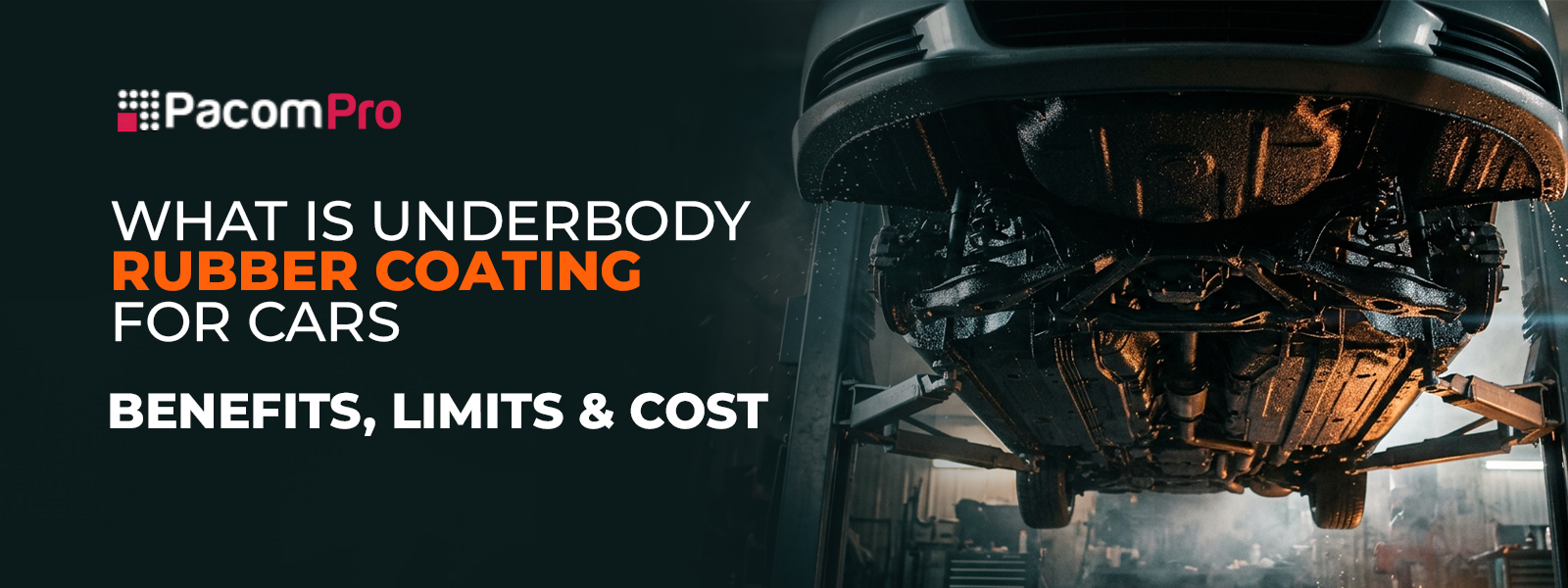
What Is Underbody Rubber Coating for Cars? Benefits, Limits & Cost

underbody rubber coating for cars

A car’s underbody is constantly exposed to water, mud and road debris.

Over time these conditions can damage exposed metal or existing protective layers. They can increase the risk of rust.

Underbody rubber coating adds a layer to suitable underbody surfaces.

Is underbody rubber coating necessary, for every car, how long does it last and what does it cost in India?

Here is what you should know before choosing rubber coating treatment.

What Is Underbody Rubber Coating for Cars?

Underbody rubber coating is a material that is applied to chosen parts below a car, such as underbody panels and wheel arches.

Once it cures it becomes a rubber-like layer that helps guard treated surfaces against:

  • Stone chips and road debris
  • Moisture and environmental exposure
  • Abrasion and everyday wear
  • Corrosion caused by exposure to damaging elements

Unlike ceramic coating, which adds shine and water resistance, the outside underbody coating is made for parts that see road conditions.

It adds to the car’s factory protection. It does not replace factory corrosion protection, fix existing rust or automatically cover every cavity.

How Does Rubber Coating Protect a Car’s Underbody?

During driving, small stones, mud and water can hit the underside of a car. A good rubberised coating adds a layer that helps with:

  • Reducing damage from stone chips and scratches on the treated areas.
  • Stopping contact, with moisture and road grime.
  • Lowering the chance of rust forming if applied properly.
  • Adding some sound insulation depending on the coating used.

The results depend on the product quality, how well the surface is prepared, how much area is covered and the original condition of the underbody.

It won’t stop every impact. It can’t promise that rust will never happen.

It cannot prevent every impact or guarantee that rust will never develop.

What Are the Benefits and Limitations?

The main benefit of rubber coating is that it adds extra protection to parts of the car that are exposed to road debris and water. This treatment can be helpful for vehicles that are often driven on unpaved roads, muddy routes, roads with a lot of debris or in areas that get heavy monsoon rainfall.

There are important limits to keep in mind. Underbody rubber coating cannot fix existing rust or corrosion. It also cannot stop all types of damage from happening. Areas that are not treated stay unprotected.. If you apply the coating, over dirt, moisture or untreated rust it might trap those contaminants and make corrosion worse.

A professional inspection can help decide if your car really needs this kind of treatment.

How Long Does Automotive Rubber Coating Last?

The lifespan of the coating depends on the product, application quality, road conditions and how well it is maintained.

  • Some aftermarket coatings might need inspection or touch-ups within a years.
  • Certain products can last longer if used under the conditions.
  • Frequent exposure to water, rough roads and abrasive debris can speed up wear and tear.
  • Check the manufacturer’s warranty and the recommended inspection intervals.

Inspect the underbody regularly for peeling, cracks, damaged areas or signs of corrosion.

Is Rubber Coating Worth It for Cars in India?

Underbody rubber coating can be useful for vehicles that often drive on roads, rough terrain or, in heavy rain.

It can also help cars that have worn or broken protective layers or exposed spots that need fixing.

Not every car needs extra coating.

  • New cars normally have corrosion protection applied by the factory.
  • The amount of protection there changes from one vehicle to another.
  • Driving conditions and the condition of the underbody decide if extra treatment is needed.

Ask a technician to check the underbody before you spend money on extra protection.

What Is the Cost of Underbody Rubber Coating in India?

The cost depends on:

  • Vehicle size and type
  • Product and coating quality
  • Area covered
  • Surface preparation requirements
  • Rust treatment if needed

An estimate for standard rubberised underbody treatments is between ₹3,000 and ₹8,000. If you choose premium products or an extensive treatment the cost will be higher.

These figures are not fixed market rates. Are not a Pacom Pro quotation.

Before choosing a package check whether it includes:

  • Underbody cleaning and inspection
  • Surface preparation and appropriate rust treatment
  • Masking of components that must remain uncoated
  • Coating application and curing
  • Warranty details and coverage limitations
  • To get a price, request an assessment that takes your vehicle’s condition into account.

How Is Underbody Rubber Coating Applied and Maintained?

Proper application starts by checking the underbody for rust, damage and any existing protective layers.

The process usually involves:

  1. Cleaning the underbody
  2. Drying the surface. Looking at any existing rust.
  3. Getting the surface ready based on the product guidelines.
  4. Covering parts that should not get any coating.
  5. Putting on the product as the manufacturer says.
  6. Letting it sit enough to cure before putting the vehicle back into use.

After putting on the coating follow the recommended steps for curing and keeping it in shape.

To keep the coating in condition:

  • Take off the dirt and grime that builds up.
  • Don’t use high-pressure water near the coating.
  • Set up checks of the underbody.
  • Fix any peeling, damage or rust soon, as possible.

Never put coating on brakes, exhaust parts, moving parts or any area where the product is not allowed.

Final Verdict: Should You Get Underbody Rubber Coating?

Underbody rubber coating can give protection against abrasion, stone chips and environmental exposure on treated surfaces that are suitable. Underbody rubber coating is useful when the underbody is vulnerable.

However the right choice depends on the car’s existing factory protection, the underbody condition and the driving conditions. Underbody rubber coating should be chosen only if the car needs it.

A professional inspection is the starting point. A professional inspection helps identify whether extra underbody rubber coating is necessary by assuming that every car needs the same treatment.

At Pacom Pro, in Coimbatore discuss the car’s underbody condition and available underbody rubber coating options before deciding.

Frequently Asked Questions

1. Does underbody rubber coating prevent rust?

It can help reduce rust by protecting the underbody from moisture and harmful elements. Only if the surface is properly cleaned and prepared. It does not stop rust completely. Repair existing rust damage.

2. Can rubber coating protect a car from scratches and stone chips?

It offers some protection against scratches and stone chips on the underbody especially on areas that face road debris.. It does not protect the painted body panels or the exterior surfaces of the car.

3. How long does underbody rubber coating last?

The duration varies depending on the quality of the coating, how well it was applied, the weather and the driving conditions. Some coatings last years especially with regular checks. Always follow the manufacturer’s recommended inspection and maintenance schedule.

4. Is underbody coating necessary for a car?

Not always. Most new cars come with a level of rust protection from the factory. However if you drive on roads or in areas with high humidity an inspection can help decide if extra protection is needed.

5. How much does underbody rubber coating cost in India?

The price can range from around ₹3,000 to ₹8,000 for treatments. Advanced or full-coverage coatings may cost more. It’s best to get a quote tailored to your vehicle and check what is included in the service like coverage areas and warranty terms.
Recent Blogs

graphene coating for cars

Graphene Coating for Cars: Benefits, Cost & Lifespan

12/11/2026

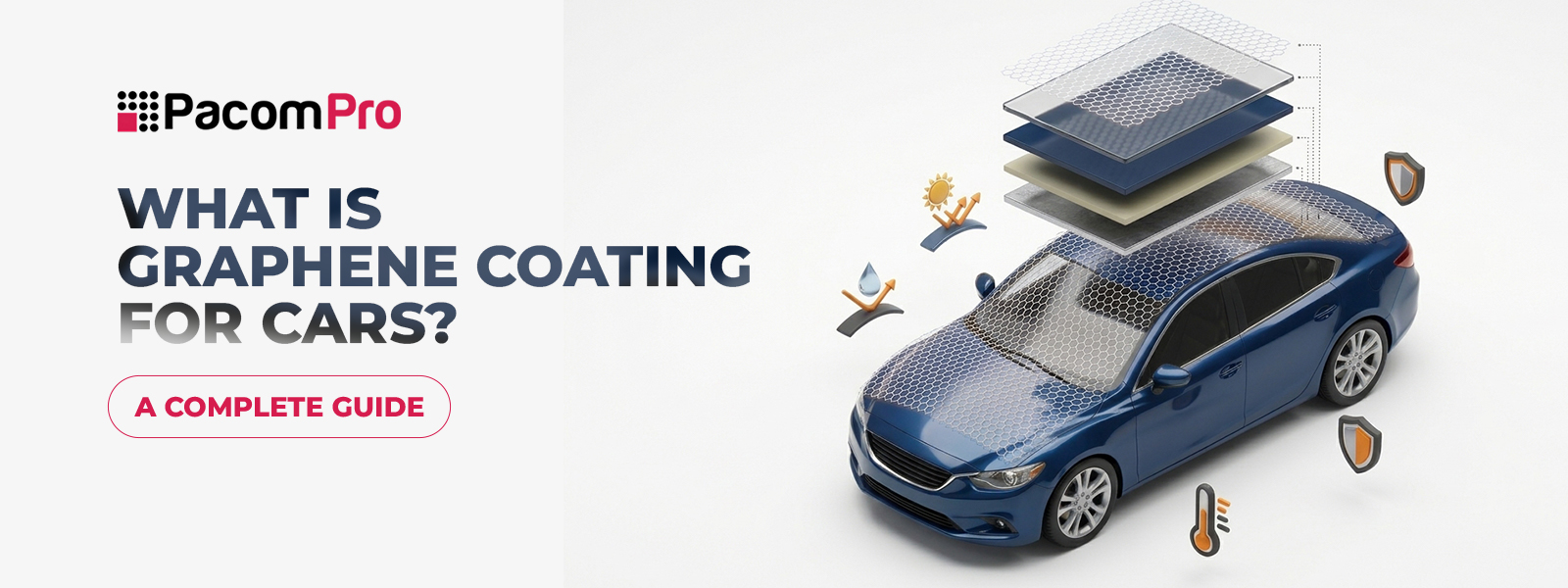
Car graphene coating is a protective paint finish that is meant to make the car look shinier, make water bead up and roll off easier, and make it simpler to clean. The benefits and how long it takes. How much it costs depends on the type of coating that is used and how it is put on and taken care of. Learning about the differences between graphene coating and ceramic coating and PPF will help you choose the option.

What Is Graphene Coating for Cars?

Graphene coating is a type of paint protection product that uses graphene-based ingredients. It forms a layer on top of the car’s paint.

It is made to make the shine better, help water slide off easily, and make regular cleaning simpler.

How well it works depends on how the product’s made, how the surface is cleaned before applying it and how well it is put on. Not all products that say they are graphene coating give the results.

Graphene Coating vs Ceramic Coating: Key Differences Explained

Both of these materials have similar purposes in protecting paint and enhancing paint appearance. They depend on what product they come from.

  • Graphene coating: Containing graphene additives and can have features like water repellence and water spotting reduction depending on its formula.
  • Ceramic coating: Made from silica-based or ceramic formation formulas to form a bond and create a protective layer.
  • Gloss: Can increase paint gloss in both products.
  • Durability: Depends on each product and application.
  • Water spots: Can neither prevent mineral build-up in both products.

Do not select a coating by its name. Look at specifications and warranties of these products.

Is Graphene Coating Worth It for Cars in India?

Graphene coating could be something to think about if you want a shine, protection from water and simpler cleaning. It can help cars that’re often in dusty areas in the sun, around pollution and dealing with regular dirt from the environment.

Think about these things before you decide to spend money:

  • The condition of your cars paint
  • Whether your car is parked outside or under cover
  • What kind of roads you drive on every day
  • How often you clean your car
  • The cost of the coating and what the warranty covers

Graphene coating isn’t something every car needs. Make the choice based on what you need instead of what you hear from advertisements.

How Long Does Graphene Coating Last?

There is no one size fits all lifespan for every graphene coating.

Durability depends on:

  • Product formulation and quality
  • Paint preparation and application
  • Exposure, to sunlight and environmental contaminants
  • Washing methods and maintenance
  • Manufacturer warranty conditions

Some products say they offer multi-year protection. Look at the product’s durability claims and warranty instead of thinking every graphene coating lasts the same amount of time.

Graphene Coating Cost in Coimbatore: What Affects the Price?

Graphene coating prices in Coimbatore differ depending on the vehicle and the package chosen.

The main factors that affect the price include:

  • Vehicle size and paint condition
  • Product brand and formulation
  • Paint correction and surface preparation
  • Application process and curing requirements
  • Warranty and aftercare services

Paint correction can raise the cost if the vehicle has marks, oxidation or other paint imperfections.

Before booking, always ask for a quotation. Make sure to confirm what is included in the package by just comparing prices.

For a price contact Pacom Pro in Coimbatore, for a vehicle-specific assessment.

Does Graphene Coating Reduce Water Spots on Car Paint?

Some graphene coating products are sold as helping to reduce water spotting. Their real performance depends on the mix and the conditions.

Water repellency can help water slide off the surface easily. Still droplets may leave mineral deposits when they evaporate.

To reduce water spots:

  • Avoid letting water dry on the paint to prevent water spotting.
  • Dry the car with a microfibre towel to reduce water spotting.
  • Remove mineral deposits promptly with products to stop water spotting.
  • Follow the graphene coating manufacturer’s maintenance instructions to keep water spotting under control.

Graphene coating does not make paint completely water-spot-proof.

Graphene Coating: Benefits, Limitations, and Common Misconceptions

Benefits

  • It makes the paint look better. Give it a shiny look.
  • It helps water roll off the surface easily.
  • It makes it simpler to wash the car.
  • It gives a layer of protection from things in the environment.
  • It can possibly stop water from leaving spots on the surface depending on what product’s used.

Limitations

  • This coating does not stop every scratch or small rock chip from happening.
  • It can’t get rid of water spots for good.
  • It won’t fix paint problems that’re already there.
  • You need to do the cleaning and take care of it often.
  • How well it. How long it lasts depends on the product you choose.

Common Misconceptions

  • Scratch-proof: Graphene coating does not make paint scratch-proof.
  • Maintenance-free: Regular washing is still necessary.
  • Permanent protection: Coatings gradually lose performance over time.
  • Always better than ceramic: Product quality and application matter more than the label.

Graphene Coating vs PPF: Which Should You Choose?

Graphene coating and Paint Protection Film (PPF) serve different purposes.

  • Graphene coating: Best suited to enhancing gloss, water repellency, and ease of cleaning.
  • PPF: A physical film designed to absorb impacts and help protect paint from stone chips and abrasion.
  • For everyday maintenance: Graphene coating may make cleaning easier.
  • For physical protection: PPF is generally the better choice.

If your priority is protecting vulnerable panels from road debris, consider PPF.

Some owners combine PPF with a compatible coating for additional surface benefits.

How to Maintain a Car After Graphene Coating

Good maintenance keeps the coating looking good and the coating working well.

  • Wash regularly with a shampoo that’s compatible with the coating and that is pH neutral.
  • Use microfibre wash mitts and clean drying towels.
  • Avoid using brushes and avoid dry‑wiping dusty paint.
  • Dry the vehicle, after washing to reduce mineral deposits on the coating.
  • Remove bird droppings and tree sap from the coating promptly.
  • Follow the recommended curing period after the coating is applied.
  • Arrange inspections if the manufacturer recommends them.

A coated car is easier to maintain. The coating is not maintenance‑free.

Can Graphene Coating Be Applied to an Older Car?

Yes. Graphene coating can be put on a car if the paint is in good condition.

The preparation process may include:

  1. – washing and paint cleaning.
  2. – Inspection for scratches, swirl marks, and oxidation.
  3. – Paint correction where it is necessary.
  4. – Surface preparation according to the product instructions.
  5. – Application and curing of Graphene coating.

Graphene coating does not fix damaged paint. Existing defects should be checked before Graphene coating is applied.

Final Verdict

Graphene coating can be an option for car owners who want better gloss, water repellency, and easier cleaning. However, the performance of Graphene coating depends on the product, the quality of the application, and proper maintenance.

Graphene coating does not replace PPF when strong physical paint protection is the priority. At Pacom Pro, in Coimbatore have your vehicle’s paint condition and protection requirements assessed before choosing a Graphene coating.

Frequently Asked Questions

1. Is graphene coating better than coating?

Not always. Look at the products, how long they last, what kind of warranty they have and how easy they are to apply before making a choice.

2. Does graphene coating prevent scratches?

No. It might help with scratches but it can’t stop deep scratches or damage from stones.

3. How long does graphene coating last?

It depends on the product, how it is put on and how well it is taken care of. Check what the maker says about how it lasts and what kind of warranty they offer.

4. Is graphene coating suitable for a car?

Yes. A new car can be a choice if the paint is checked and gets the right preparation.

5. Can graphene coating be applied over PPF?

Some coatings work with PPF. Not all. Make sure to ask the people who make the coating and the film if they work together before putting it on.

ceramic coating for cars

Ceramic Coating for Cars: Benefits, Cost & Maintenance in Coimbatore

12/11/2026

Car Ceramic Coating increases the paint glossiness, makes the car resistant to water, makes the cleaning process easy, and provides a protective shield from the effects of pollution and ultraviolet rays. It does not make your car resistant to scratches or chips. Knowing about its advantages, drawbacks, price in Coimbatore, longevity, and maintenance will enable you to make an informed decision about its suitability for your car.

What Is Ceramic Coating for Cars?

Ceramic coating is a protective product that is put on a vehicle’s outside paint to make a thin layer that sticks to the surface. This coating makes the paint look shinier. Helps water to roll off more easily. It also makes it simpler to clean dirt and normal stuff that gets on the car.

Ceramic coating is not something that lasts forever. It is not a protection that never ends. It also is not a replacement for washing the car. How well the ceramic coating works depends on the product used, how clean the surface is, before putting it on how well it is applied and how often it is taken care of.

Is Ceramic Coating Worth the Money for Your Car?

Ceramic coating can be worth it if you want your car to keep a look for a long time, stay cleaner with less effort and protect against things like sun, dust and pollution. It works well for cars that are often outside and face tough weather or dirty conditions.

If you plan to sell your car soon or if you think it will stop rocks from chipping the paint or if you don’t keep up with maintenance then it might not be the best choice. Think about how you drive, where you park and how long you plan to keep the car before deciding if a ceramic coating is right for you.

Ceramic Coating vs Wax vs Paint Sealant: What Is the Difference?

Although all three improve a car’s finish, their durability and performance differ.

Feature

Car Wax

Paint Sealant

Ceramic Coating

Typical durability

Weeks to a few months

Several months

Often 2–5 years for professional products

Gloss

Warm, temporary shine

Smooth finish

Deep, lasting gloss

Water repellency

Moderate

Good

Generally strong

Maintenance

Frequent reapplication

Periodic reapplication

Regular washing and product-specific care

Actual durability varies by product and usage. Wax and sealants suit owners seeking affordable, temporary shine, while ceramic coating is better suited to those seeking longer-lasting gloss and easier maintenance.

How Much Does Ceramic Coating Cost in Coimbatore?

Ceramic coating prices in Coimbatore vary depending on the vehicle size, the current condition of the paint, any correction work needed, the brand of coating used, how many layers are applied and the warranty terms offered.

Here are some indicative estimates based on the market:

– Hatchbacks: ₹12,000 to ₹18,000

– Sedans: ₹15,000 to ₹22,000

– SUVs: ₹18,000 to ₹30,000

– Premium and luxury vehicles: ₹30,000 and above

These figures are approximate ranges only and should not be treated as final prices or official quotes, from Pacom Pro.

Make sure to ask what is included in the service package. Inquire whether paint correction, surface preparation, coating application, curing process and aftercare are all part of the deal. A lower price might mean a process or a different coating product, not necessarily a lower quality service. Always clarify the details before deciding.

How Long Does Ceramic Coating Last on a Car?

When a professional puts on a coating it can stay strong for about two to five years. The exact duration depends on the ceramic coating product itself, the quality of the application and how well you maintain it. Some ceramic coating products advertise warranties but the warranty period does not always guarantee that the ceramic coating will perform the same way for the entire time.

Harsh detergents, washing, neglect, for long periods and weather can lower the ceramic coating performance. Check the ceramic coating manufacturer’s maintenance instructions. Find out whether you need scheduled inspections to keep the warranty active.

Is Ceramic Coating Suitable for a Brand-New Car?

Yes. A brand-new car can be a good choice because the paint on a brand-new car may need less correction than on an older vehicle. Still the new paint must be inspected carefully. Must be prepared properly before it is applied.

Delivery from a dealership does not guarantee that the paint on the car is free from marks, contamination or minor defects. A professional inspection will help decide whether the car needs decontamination, polishing or other preparation before the coating is applied.

Does Ceramic Coating Protect Against Scratches, Water Spots and UV Exposure?

Ceramic coating can help make it harder for dirt and bad stuff to stick to the surface. It can also make the car more able to handle some of the stuff in the environment. It can also help keep the paint from getting damaged by the sun.

Its limits are just as important to know:

  • Scratches: It can make marks from washing less noticeable but it can’t stop deep scratches marks from keys or stones hitting the car.
  • Water spots: Water might roll off easier. If hard water dries on the paint it can still leave spots.
  • UV exposure: It gives some protection from the sun. It can’t stop the paint from fading or getting damaged if the car is in the sun for a long time.

For protection, against stones hitting the car and rubbing Paint Protection Film (PPF) is a better choice.

How to Wash and Maintain a Ceramic-Coated Car

Proper maintenance helps preserve the coating’s appearance and water-repellent performance.

  1. Wash the car regularly using a -neutral shampoo compatible with the coating.
  2. Use microfibre wash mitts and drying towels to reduce swirl marks.
  3. Avoid wiping dusty paint and using abrasive brushes.
  4. Dry the vehicle after washing in areas with hard water.
  5. Remove bird droppings, tree sap and other contaminants promptly.
  6. Follow the coating manufacturer’s recommendations, for inspections and compatible maintenance products.

Ceramic coating makes cleaning easier. It does not make the vehicle maintenance-free.

Ceramic Coating vs PPF: Which Offers Better Paint Protection?

Ceramic coating and Paint Protection Film do things. Ceramic coating focuses on shine, water beading and making cleaning easier. PPF is a film that takes the hit from stones, scratches and road debris. It acts like a shield for your paint.

If you care most about how your car looks and how easy it’s to keep clean ceramic coating is a good choice. If you want protection from physical damage PPF is the better option. Some people use both. They apply PPF to areas that get hit a lot—, like the bumper—and then add a ceramic coating to other parts that don’t take as much impact.

It’s important to make sure the installation order is right and that the products work together. Always check with the studio that’s doing the work to be sure everything is compatible and applied correctly.

What Should You Check Before Choosing a Ceramic Coating Studio in Coimbatore?

Before booking ask the studio about:

  • The coating brand, the product and how well it is expected to perform.
  • Whether paint inspection, decontamination and correction are part of the package.
  • The conditions needed for application and how long curing takes.
  • The written warranty terms what is not. What maintenance is required.
  • The studio’s experience, with installation and examples of work they have done.
  • The total cost, including any inspections or aftercare services that are needed.

A reliable studio should explain both the things and the limits of the coating instead of saying it will be scratch-proof or completely maintenance-free.

Final Verdict

Ceramic coating is a choice for car owners who care about shine, easy cleaning and extra protection from things like rain, dust and UV rays. The results you get depend a lot on how the surface is prepared how its applied and how you take care of it over time. At Pacom Pro in Coimbatore talk about your car’s condition, how you drive and what kind of protection you want. That way you can pick the solution for your needs.

Frequently Asked Questions

1. Does ceramic coating make a car scratch‑proof?

No. Ceramic coating can help resist surface marks but it does not stop deep scratches, stone chips or impact damage.

2. Can ceramic coating be applied to a car?

Yes. After checking and preparing the paint a brand‑new car is a candidate for ceramic coating.

3. Can I wash my car after ceramic coating?

Yes. Use a shampoo that’s compatible with the ceramic coating, clean washing tools and gentle washing methods. Follow the studio’s curing instructions.

4. Is ceramic coating better than PPF?

Neither replaces the other. Ceramic coating gives you gloss and easier maintenance while PPF offers stronger physical protection against chips and abrasion.

5. How much does ceramic coating cost, in Coimbatore?

The cost depends on the vehicle size, paint correction, product and package. Ask for an itemised quote that explains the preparation, coating and aftercare that are included.

Paint protection film

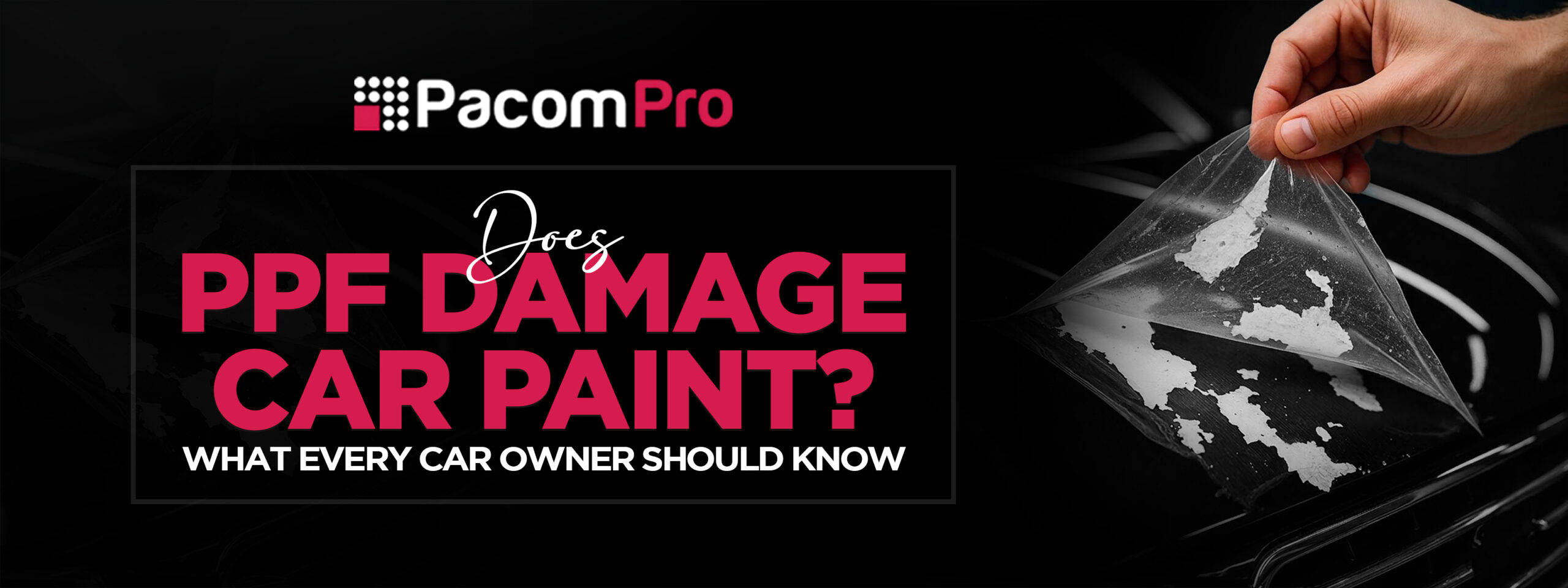
Does PPF Damage Car Paint? What You Should Know

22/10/2026

Paint Protection Film (PPF) is meant to keep your car’s paint safe from daily wear and tear. But many people worry before getting it installed:

“Can PPF actually hurt my car’s paint?”

The short answer is: no not if it’s the kind of PPF properly installed and removed and your paint is in good shape.

It’s not that simple. The condition of your paint, the quality of the film, how it’s put on and how it’s taken off all play a role.

Here’s what real car owners should know before deciding to get PPF.

What Is PPF?

Paint Protection Film is a thin film placed over painted parts of your car.

It acts as a shield between your paint and things that can damage it on the road like:

  • Stone chips
  • Small scratches
  • Road dirt
  • Bug splatters
  • Bird poop
  • Tree sap
  • Light grime

Unlike a coating, which is a liquid that bonds to the paint PPF is a physical layer you can see and feel.

That difference matters when you’re choosing how to protect your car.

Can PPF Damage Factory Paint?

If your car has well-bonded factory paint then professionally installed PPF should protect it not harm it.

The real issue isn’t the film. It’s what’s under it.

If the paint is already weak flaking or was repainted badly then removing the PPF later might pull off paint or expose hidden damage.

That’s why a good inspection is needed before installation.

When Can PPF Become a Problem?

There are situations where you need to be extra careful.

1. Poor-Quality Repainted Panels

Factory paint and repaints aren’t the same.

A repainted panel might have issues with:

  • How well the paint sticks
  • The primer used
  • Clear coat thickness
  • How it was cured
  • Paint prep work
  • Overall finish

If PPF goes over, a repaint removal later could be risky.

That doesn’t mean you can’t put PPF on repainted areas. Just make sure the paint is checked first.

2. Damaged or Peeling Paint

If the paint is already peeling, lifting or chipped, putting PPF over it isn’t the fix.

PPF is not meant for paint.

The surface should be checked before any film is applied.

3. Incorrect Installation

A pro installer makes a difference.

Bad installation can lead to:

  • Poor adhesion
  • Dirt trapped under the film
  • Edges
  • Uneven finish
  • Stretch marks
  • Lifting at the edges

Even a good film can look bad if it’s not put right.

4. Incorrect Removal

Removing PPF needs care.

Pulling hard using wrong tools or not using heat can damage the paint especially if it’s already weak.

Professionals often use heat and gentle techniques to peel the film off

Can PPF Pull Off Car Paint?

This is a concern for customers.

If your car has healthy factory paint and the PPF is installed right it should come off without taking paint with it.

We can’t say it’s 100% safe for every car or every panel.

The surface underneath matters.

For example a factory-painted panel and a repainted one should not be treated the same.

That’s why a professional check before installation is key.

What About New Cars?

New cars are candidates for PPF. Their paint is fresh. You can protect it right from the start.

PPF is especially helpful on parts that hit the road the most, like:

  • Front bumper
  • Bonnet
  • Front fenders
  • ORVMs
  • Door edges
  • A-pillars
  • Rocker panels

How much you cover depends on how you drive and where your car is exposed.

Does PPF Damage the Clear Coat?

When installed and removed correctly from a surface PPF is meant to protect both the paint and the clear coat.

Still the same rules apply:

  • Check the surface first
  • Pick a film
  • Follow proper installation steps
  • Let it bond well
  • Remove it right

If the clear coat is already cracking or peeling the film might not be safe to remove.

Can PPF Cause Paint Discolouration?

PPF doesn’t change the car’s colour when installed.

If part of the car is covered for a long time and the rest is exposed to sun and weather the uncovered areas may age differently.

When you take off the film you might notice a difference in how the paint looks.

That’s why vehicle age and condition matter when choosing coverage.

Does PPF Leave Glue on the Paint?

A properly installed and maintained PPF should not leave a lot of residue when removed correctly.

Glue behaviour can vary due to:

  • Film quality
  • How old the film is
  • Heat exposure
  • How it was. Installed
  • How long it’s been on
  • How it’s removed

Older films in conditions may need more careful removal.

How Long Should PPF Stay on a Car?

There’s no time for all PPF products.

Lifespan depends on the film, installation, care, environment and manufacturer advice.

Of just looking at claimed lifespan ask about:

  • Manufacturer warranty
  • How the film is built
  • Maintenance needs
  • Installation process
  • Expected driving conditions
  • How it’s. Replaced

 Does PPF Damage Ceramic Coating?

It depends on what you’re doing and where.

PPF and ceramic coating do jobs.

PPF is a shield. Ceramic coating adds a layer that helps with water beading and cleaning.

Many people use both. PPF installed first then a compatible coating applied over it if the manufacturer allows.

If your biggest concern is stone chips and physical road damage, PPF is generally the more relevant protection.

If your priority is easier cleaning, gloss and surface protection, ceramic coating may be more appropriate.

Some owners choose to combine both.

How to Know If Your Car Is Suitable for PPF

Before installation check: If you are thinking about installing PPF on your car you might wonder whether your paint is ready.

  • Is the paint original or has it been repainted?
  • Are there any existing scratches or chips?
  • Is the coat in good condition?
  • Are any panels peeling or damaged?
  • Has the car undergone previous bodywork?
  • Which areas need protection?
  • Which film is being installed?
  • What warranty is provided?
  • How will the film be installed and removed?

These questions can help prevent problems

What Happens Before PPF Installation?

A professional PPF process should not simply begin with putting film on the car.

The vehicle should first be. Prepared.

Depending on the vehicle this can include:

1. Vehicle inspection

2. Paint-condition assessment

3. Cleaning

4. Decontamination

5. Paint correction where required

6. Surface preparation

7. Film pattern selection

8. PPF installation

9.. Finish inspection

10. Final quality check

The preparation stage is just as important as the film application.

Why Professional PPF Installation Matters

PPF is only as good as the installation process.

A professional installer should understand:

  • Paint condition
  • Film behaviour
  • Panel contours
  • Stretching
  • Edge finishing
  • Contamination control
  • Removal considerations

This is especially important on premium and luxury vehicles where the finish needs to remain visually clean.

At Pacom Pro PPF installation begins with understanding the condition of the vehicle and the areas that need protection rather than treating every car exactly the same way.

So Is PPF Safe for Your Car Paint?

For factory paint properly selected and professionally installed PPF is designed to protect the paint rather than damage the paint.

The important word is “properly.”

The film quality, paint condition, installation and eventual removal all influence the outcome.

If your vehicle has been repainted, has damaged paint or has undergone bodywork the surface should be assessed before installation.

PPF should protect your investment not create another problem to solve.

Final thoughts

PPF is not something to fear when it comes to factory paint.

The real question is not simply:

“Will PPF damage my paint?”

It is:

“Is my paint suitable, is the film being used and is the installation being done correctly?”

When those factors are handled properly PPF can provide a layer of protection against many of the everyday hazards that your cars paint faces on the road.

Before choosing PPF understand the condition of your paint, the film specification, the coverage and the installation process.

That is how you protect the paint without compromising what is underneath.

Frequently Asked Questions

Does PPF damage factory paint?

Properly installed and removed PPF is designed to protect factory paint. The condition of the paint should still be checked before installation.

Can PPF damage repainted panels?

PPF can carry risk if the repaint has poor adhesion or was not properly prepared. Repainted panels should be inspected before installation.

Can PPF be removed without damaging paint?

Generally yes, when the underlying paint is healthy. The film is removed correctly. Older film or compromised paint may require care.

Does PPF leave adhesive on the car?

Adhesive residue can vary depending on the film, age, exposure and removal method. Professional removal helps minimise the risk of residue and surface issues.

Is PPF better than coating?

They solve problems. PPF provides a film barrier and is better suited to impact and stone‑chip protection while ceramic coating focuses more on surface protection, gloss and easier maintenance.

Scroll to Top