



















Paint Protection Film (PPF) is meant to keep your car’s paint safe from daily wear and tear. But many people worry before getting it installed:
“Can PPF actually hurt my car’s paint?”
The short answer is: no not if it’s the kind of PPF properly installed and removed and your paint is in good shape.
It’s not that simple. The condition of your paint, the quality of the film, how it’s put on and how it’s taken off all play a role.
Here’s what real car owners should know before deciding to get PPF.
What Is PPF?
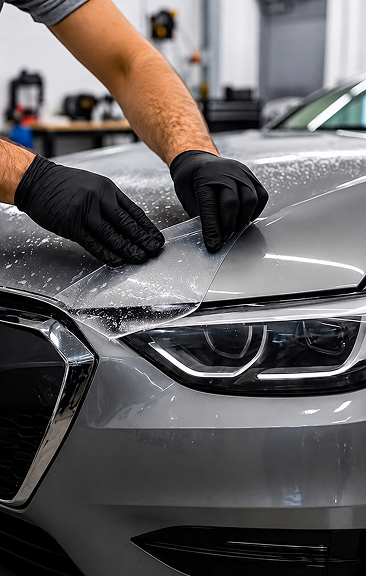
Paint Protection Film is a thin film placed over painted parts of your car.
It acts as a shield between your paint and things that can damage it on the road like:
- Stone chips
- Small scratches
- Road dirt
- Bug splatters
- Bird poop
- Tree sap
- Light grime
Unlike a coating, which is a liquid that bonds to the paint PPF is a physical layer you can see and feel.
That difference matters when you’re choosing how to protect your car.
Can PPF Damage Factory Paint?
If your car has well-bonded factory paint then professionally installed PPF should protect it not harm it.
The real issue isn’t the film. It’s what’s under it.
If the paint is already weak flaking or was repainted badly then removing the PPF later might pull off paint or expose hidden damage.
That’s why a good inspection is needed before installation.
When Can PPF Become a Problem?
There are situations where you need to be extra careful.
1. Poor-Quality Repainted Panels
Factory paint and repaints aren’t the same.
A repainted panel might have issues with:
- How well the paint sticks
- The primer used
- Clear coat thickness
- How it was cured
- Paint prep work
- Overall finish
If PPF goes over, a repaint removal later could be risky.
That doesn’t mean you can’t put PPF on repainted areas. Just make sure the paint is checked first.
2. Damaged or Peeling Paint
If the paint is already peeling, lifting or chipped, putting PPF over it isn’t the fix.
PPF is not meant for paint.
The surface should be checked before any film is applied.
3. Incorrect Installation
A pro installer makes a difference.
Bad installation can lead to:
- Poor adhesion
- Dirt trapped under the film
- Edges
- Uneven finish
- Stretch marks
- Lifting at the edges
Even a good film can look bad if it’s not put right.
4. Incorrect Removal
Removing PPF needs care.
Pulling hard using wrong tools or not using heat can damage the paint especially if it’s already weak.
Professionals often use heat and gentle techniques to peel the film off
Can PPF Pull Off Car Paint?
This is a concern for customers.
If your car has healthy factory paint and the PPF is installed right it should come off without taking paint with it.
We can’t say it’s 100% safe for every car or every panel.
The surface underneath matters.
For example a factory-painted panel and a repainted one should not be treated the same.
That’s why a professional check before installation is key.
What About New Cars?
New cars are candidates for PPF. Their paint is fresh. You can protect it right from the start.
PPF is especially helpful on parts that hit the road the most, like:
- Front bumper
- Bonnet
- Front fenders
- ORVMs
- Door edges
- A-pillars
- Rocker panels
How much you cover depends on how you drive and where your car is exposed.
Does PPF Damage the Clear Coat?
When installed and removed correctly from a surface PPF is meant to protect both the paint and the clear coat.
Still the same rules apply:
- Check the surface first
- Pick a film
- Follow proper installation steps
- Let it bond well
- Remove it right
If the clear coat is already cracking or peeling the film might not be safe to remove.
Can PPF Cause Paint Discolouration?
PPF doesn’t change the car’s colour when installed.
If part of the car is covered for a long time and the rest is exposed to sun and weather the uncovered areas may age differently.
When you take off the film you might notice a difference in how the paint looks.
That’s why vehicle age and condition matter when choosing coverage.
Does PPF Leave Glue on the Paint?
A properly installed and maintained PPF should not leave a lot of residue when removed correctly.
Glue behaviour can vary due to:
- Film quality
- How old the film is
- Heat exposure
- How it was. Installed
- How long it’s been on
- How it’s removed
Older films in conditions may need more careful removal.
How Long Should PPF Stay on a Car?
There’s no time for all PPF products.
Lifespan depends on the film, installation, care, environment and manufacturer advice.
Of just looking at claimed lifespan ask about:
- Manufacturer warranty
- How the film is built
- Maintenance needs
- Installation process
- Expected driving conditions
- How it’s. Replaced
Does PPF Damage Ceramic Coating?
It depends on what you’re doing and where.
PPF and ceramic coating do jobs.
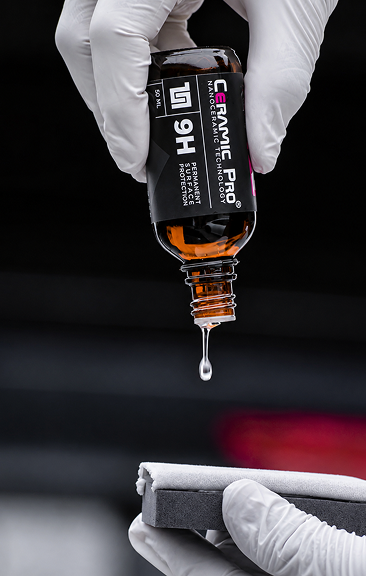
PPF is a shield. Ceramic coating adds a layer that helps with water beading and cleaning.
Many people use both. PPF installed first then a compatible coating applied over it if the manufacturer allows.
If your biggest concern is stone chips and physical road damage, PPF is generally the more relevant protection.
If your priority is easier cleaning, gloss and surface protection, ceramic coating may be more appropriate.
Some owners choose to combine both.
How to Know If Your Car Is Suitable for PPF
Before installation check: If you are thinking about installing PPF on your car you might wonder whether your paint is ready.
- Is the paint original or has it been repainted?
- Are there any existing scratches or chips?
- Is the coat in good condition?
- Are any panels peeling or damaged?
- Has the car undergone previous bodywork?
- Which areas need protection?
- Which film is being installed?
- What warranty is provided?
- How will the film be installed and removed?
These questions can help prevent problems
What Happens Before PPF Installation?
A professional PPF process should not simply begin with putting film on the car.
The vehicle should first be. Prepared.
Depending on the vehicle this can include:
1. Vehicle inspection
2. Paint-condition assessment
3. Cleaning
4. Decontamination
5. Paint correction where required
6. Surface preparation
7. Film pattern selection
8. PPF installation
9.. Finish inspection
10. Final quality check
The preparation stage is just as important as the film application.
Why Professional PPF Installation Matters
PPF is only as good as the installation process.
A professional installer should understand:
- Paint condition
- Film behaviour
- Panel contours
- Stretching
- Edge finishing
- Contamination control
- Removal considerations
This is especially important on premium and luxury vehicles where the finish needs to remain visually clean.
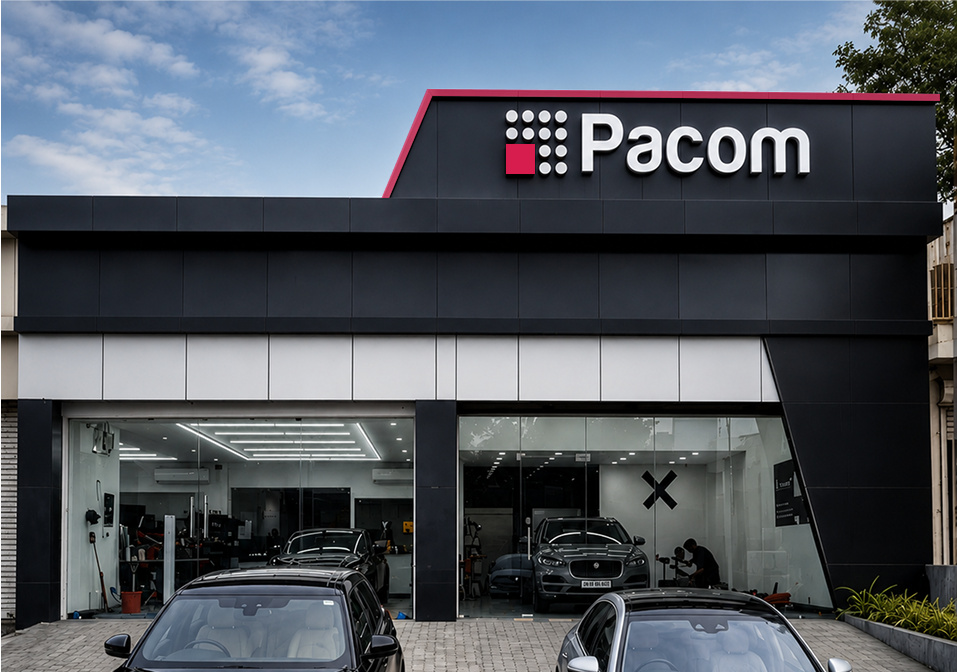
At Pacom Pro PPF installation begins with understanding the condition of the vehicle and the areas that need protection rather than treating every car exactly the same way.
So Is PPF Safe for Your Car Paint?
For factory paint properly selected and professionally installed PPF is designed to protect the paint rather than damage the paint.
The important word is “properly.”
The film quality, paint condition, installation and eventual removal all influence the outcome.
If your vehicle has been repainted, has damaged paint or has undergone bodywork the surface should be assessed before installation.
PPF should protect your investment not create another problem to solve.
Final thoughts
PPF is not something to fear when it comes to factory paint.
The real question is not simply:
“Will PPF damage my paint?”
It is:
“Is my paint suitable, is the film being used and is the installation being done correctly?”
When those factors are handled properly PPF can provide a layer of protection against many of the everyday hazards that your cars paint faces on the road.
Before choosing PPF understand the condition of your paint, the film specification, the coverage and the installation process.
That is how you protect the paint without compromising what is underneath.
Frequently Asked Questions
Does PPF damage factory paint?
Properly installed and removed PPF is designed to protect factory paint. The condition of the paint should still be checked before installation.
Can PPF damage repainted panels?
PPF can carry risk if the repaint has poor adhesion or was not properly prepared. Repainted panels should be inspected before installation.
Can PPF be removed without damaging paint?
Generally yes, when the underlying paint is healthy. The film is removed correctly. Older film or compromised paint may require care.
Does PPF leave adhesive on the car?
Adhesive residue can vary depending on the film, age, exposure and removal method. Professional removal helps minimise the risk of residue and surface issues.
Is PPF better than coating?
They solve problems. PPF provides a film barrier and is better suited to impact and stone‑chip protection while ceramic coating focuses more on surface protection, gloss and easier maintenance.